
Healthy, shiny, and manageable hair starts with the right haircare routine. However, changing weather conditions, pollution, heat styling, stress, nutritional deficiencies, and unsuitable hair products can affect hair health throughout the year.
Whether you have dry hair, an oily scalp, frizzy strands, or concerns about hair fall, following a consistent haircare routine can help you maintain stronger and healthier-looking hair.
In this guide, Healthmedic explains how to care for your hair in every season, choose suitable haircare products, and build habits that support long-term hair health.
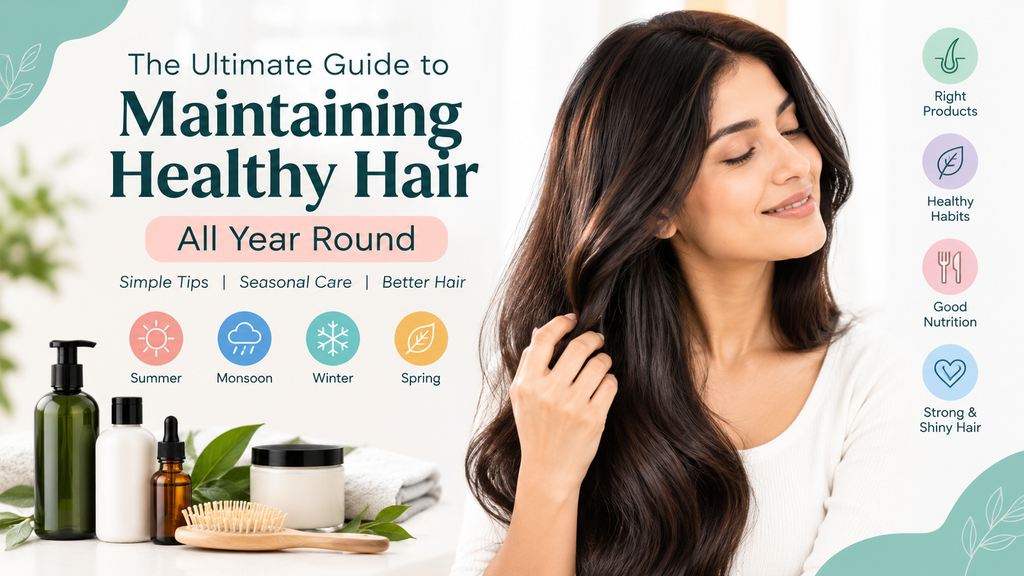
Why Is Year-Round Haircare Important?
Your hair and scalp are exposed to environmental changes throughout the year. Hot weather, humidity, cold temperatures, and dry indoor air can influence scalp comfort, hair texture, and moisture levels.
A consistent haircare routine helps remove excess oil and product buildup, maintain scalp cleanliness, reduce breakage, and keep hair manageable.
The key is to understand your hair type and adjust your routine according to your scalp condition, lifestyle, and seasonal needs.
1. Choose the Right Shampoo for Your Hair Type
Shampoo is an essential part of any haircare routine because it removes excess oil, sweat, dirt, and product residue from the scalp.
However, not every shampoo is suitable for every hair type.
- Oily scalp: Choose a shampoo that effectively removes excess oil without causing excessive dryness.
- Dry hair: Consider a gentle, moisturizing shampoo that helps maintain softness.
- Frizzy hair: Look for formulas designed to improve manageability and reduce dryness.
- Sensitive scalp: Choose a gentle, fragrance-free option if fragrances tend to irritate your scalp.
- Dandruff-prone scalp: Consider an evidence-based anti-dandruff shampoo with an appropriate active ingredient.
How often should you wash your hair? It depends on your scalp, activity level, hair texture, and product use. People with oily scalps may need more frequent washing, while others may wash less often.
Healthmedic tip: Focus shampoo mainly on your scalp and avoid unnecessarily rough scrubbing of the hair lengths.
2. Never Skip Conditioner
Conditioner helps smooth the hair surface, improve manageability, reduce friction, and make detangling easier. It is especially useful for dry, curly, damaged, or chemically treated hair.
For best results:
- Gently squeeze excess water from your hair after shampooing.
- Apply conditioner mainly to the mid-lengths and ends.
- Leave it on for the time specified on the product label.
- Rinse thoroughly according to the instructions.
If your scalp tends to become oily, avoid applying rich conditioner directly to the roots unless the product is specifically designed for scalp use.
3. Follow a Seasonal Haircare Routine
Your haircare routine may need small adjustments as the weather changes.
Summer Haircare
Hot weather, sweat, sun exposure, and frequent swimming can leave hair feeling dry or difficult to manage.
Helpful summer haircare tips include:
- Wash your scalp as needed to remove sweat and excess oil.
- Wear a hat or other suitable protection when spending extended periods outdoors.
- Use a conditioner to help reduce dryness and tangling.
- Rinse hair after swimming and follow up with appropriate conditioning.
- Limit excessive heat styling.
Monsoon Haircare
High humidity can increase frizz and make hair feel limp. Sweat and moisture can also make scalp hygiene more challenging.
To maintain healthy hair during the monsoon:
- Keep your scalp clean and dry it properly after washing.
- Avoid tying up soaking-wet hair tightly.
- Use a lightweight conditioner or anti-frizz product suited to your hair type.
- Clean hairbrushes regularly.
- Avoid sharing combs and towels.
Humidity itself does not necessarily cause hair loss, but persistent scalp symptoms or unusual shedding deserve attention.
Winter Haircare
Cold weather, low humidity, and indoor heating can contribute to dryness and static.
Follow these winter haircare tips:
- Use a gentle shampoo suited to your scalp.
- Apply conditioner regularly to the hair lengths.
- Wash with lukewarm rather than very hot water.
- Reduce frequent heat styling.
- Avoid vigorous towel rubbing.
If your scalp becomes itchy or flaky, do not automatically assume it is simply dry skin. Dandruff and other scalp conditions may require specific care.
Spring and Seasonal Transitions
Changes in humidity, temperature, and daily routines can affect how your hair feels.
During seasonal transitions, reassess your shampoo, conditioner, and styling products. Continue using products that suit your scalp instead of switching unnecessarily whenever a new trend appears.
4. Use Hair Oils and Serums Correctly
Hair oils and serums can help improve softness, reduce friction, and make hair easier to manage. However, their benefits depend on the formulation and your hair’s needs.
Hair oil: Certain oils can help condition the hair and reduce friction or protein loss. Use an appropriate amount, focusing on the lengths and ends if your scalp is prone to oiliness.
Hair serum: Serums may help control frizz, improve shine, and protect hair from styling damage when used according to their instructions.
Hair growth serum: Products marketed for hair growth vary considerably in their ingredients and evidence. Cosmetic serums may improve hair appearance, but they should not be assumed to treat the underlying causes of hair loss.
Choose products based on their intended use rather than relying only on marketing claims.
5. Protect Your Hair from Heat and Mechanical Damage
Frequent blow-drying, straightening, curling, bleaching, and aggressive brushing can weaken the hair shaft and increase breakage.
To minimize damage:
- Reduce the frequency of high-temperature styling.
- Use a suitable heat-protectant product before heat styling.
- Detangle gently, starting near the ends.
- Avoid tight hairstyles that repeatedly pull on the hair.
- Limit overlapping chemical treatments.
- Use a soft towel or microfiber towel to absorb excess water without vigorous rubbing.
Remember that broken hair strands and hair shedding from the roots are different problems. Identifying which one you are experiencing can help you choose the right next steps.
6. Eat a Balanced Diet for Healthy Hair
Hair health is influenced by nutrition, genetics, hormones, medical conditions, and overall health.
A balanced diet that provides sufficient protein, iron, zinc, and other essential nutrients supports normal hair growth. Nutritional deficiencies can contribute to hair shedding in some people.
Include a variety of foods such as:
- Eggs, dairy products, beans, lentils, or other protein sources.
- Leafy green vegetables.
- Nuts and seeds.
- Whole grains.
- Fruits and vegetables of different colours.
Avoid starting high-dose hair supplements without a clear reason. Supplements are most useful when a deficiency or specific need has been identified, and excessive intake of certain nutrients can actually contribute to hair problems.
7. Maintain a Healthy Lifestyle
Healthy lifestyle habits can support overall well-being and may help address some factors associated with hair shedding.
Try to:
- Maintain a regular sleep schedule.
- Manage ongoing stress through activities that work for you.
- Eat regular, balanced meals.
- Avoid crash dieting and rapid weight loss.
- Stay physically active.
- Seek medical advice if hair shedding is persistent or accompanied by other symptoms.
Hair growth occurs gradually, so visible changes may take several months. Be cautious of products promising overnight results or guaranteed hair regrowth.
8. How to Choose the Best Haircare Products
Choosing the right products is more useful than following every haircare trend. Start by identifying your main concern, then look for products designed for that purpose.
| Hair concern | Products to consider |
|---|---|
| Oily scalp | Shampoo formulated for excess oil |
| Dry or rough hair | Moisturizing shampoo and conditioner |
| Frizz and tangling | Conditioner and suitable leave-in serum |
| Dandruff | Evidence-based anti-dandruff shampoo |
| Heat styling | Appropriate heat-protection product |
| Hair breakage | Conditioning products and gentler styling habits |
Check product labels, directions, ingredients, and suitability for your scalp. If you have a persistent scalp condition or unexplained hair loss, a suitable product may help manage symptoms but might not address the underlying cause.
Explore haircare and personal care products at Healthmedic to find options that fit your routine and individual needs.
9. Common Haircare Mistakes to Avoid
Even a good haircare routine can be less effective if you repeatedly expose your hair to unnecessary damage.
Avoid these common mistakes:
- Washing with water that is too hot.
- Applying excessive heat without suitable protection.
- Brushing aggressively, especially when hair is tangled.
- Using heavy products that do not suit your scalp.
- Tying hair too tightly every day.
- Ignoring persistent itching, redness, or scaling.
- Taking supplements without checking whether you need them.
- Expecting cosmetic products to resolve every type of hair loss.
A simple, consistent routine is often more practical than using too many products at once.
10. When Should You Consult a Dermatologist?
Hair shedding can occur for several reasons, including temporary illness-related shedding, stress, nutritional deficiencies, hormonal changes, hereditary hair loss, and scalp disorders.
Consult a dermatologist if you notice:
- Sudden or excessive hair shedding.
- Patchy areas of hair loss.
- A widening part or progressive thinning.
- Persistent scalp itching, redness, pain, or scaling.
- Hair loss accompanied by other unexplained symptoms.
Early assessment can help identify the cause and determine whether you need medical treatment rather than cosmetic haircare alone.
Frequently Asked Questions About Healthy Hair
1. How can I keep my hair healthy all year round?
Use a shampoo suited to your scalp, condition your hair regularly, protect it from excessive heat and friction, eat a balanced diet, and adjust your routine to seasonal changes.
2. Which haircare products are essential for healthy hair?
For many people, the basics are a suitable shampoo and conditioner. Depending on your hair needs, you may also benefit from a leave-in conditioner, hair serum, heat protectant, or targeted anti-dandruff shampoo.
3. How often should I wash my hair?
There is no single ideal washing schedule for everyone. Wash according to your scalp’s oiliness, exercise habits, hair type, and product buildup. Choose a frequency that keeps your scalp comfortable and clean without excessively drying your hair.
4. Does oiling hair help hair growth?
Hair oils may condition strands, reduce friction, and improve softness. However, oiling alone is not a proven solution for every cause of hair loss and does not guarantee faster hair growth.
5. Can seasonal changes cause hair fall?
Some people notice changes in shedding at particular times of the year. However, significant or persistent hair loss should not automatically be attributed to seasonal changes. Other causes may need investigation.
6. What foods are good for healthy hair?
A balanced diet containing sufficient protein, iron, zinc, and other essential nutrients supports normal hair growth. The best food choices depend on your overall diet and nutritional needs.
7. How long does it take to improve hair health?
Conditioning products may improve softness and manageability relatively quickly, but reducing breakage and seeing changes in hair growth take longer. Results depend on the cause of the problem and the consistency of care.
Final Thoughts
Maintaining healthy hair throughout the year does not require an unnecessarily complicated routine. Understanding your scalp, choosing appropriate haircare products, protecting your strands from damage, and maintaining healthy lifestyle habits are practical steps toward stronger, more manageable hair.
Remember that no single shampoo, oil, or serum works for everyone. Choose products according to your needs, avoid unrealistic promises, and seek professional advice when hair loss or scalp symptoms persist.