
Aging is a natural process that affects every organ of the body, including the skin. As the largest organ, your skin undergoes noticeable changes over time due to both intrinsic (natural) aging and extrinsic (environmental) factors. Understanding how aging affects your skin can help you identify early signs and take preventive measures to maintain healthy, youthful-looking skin for longer.
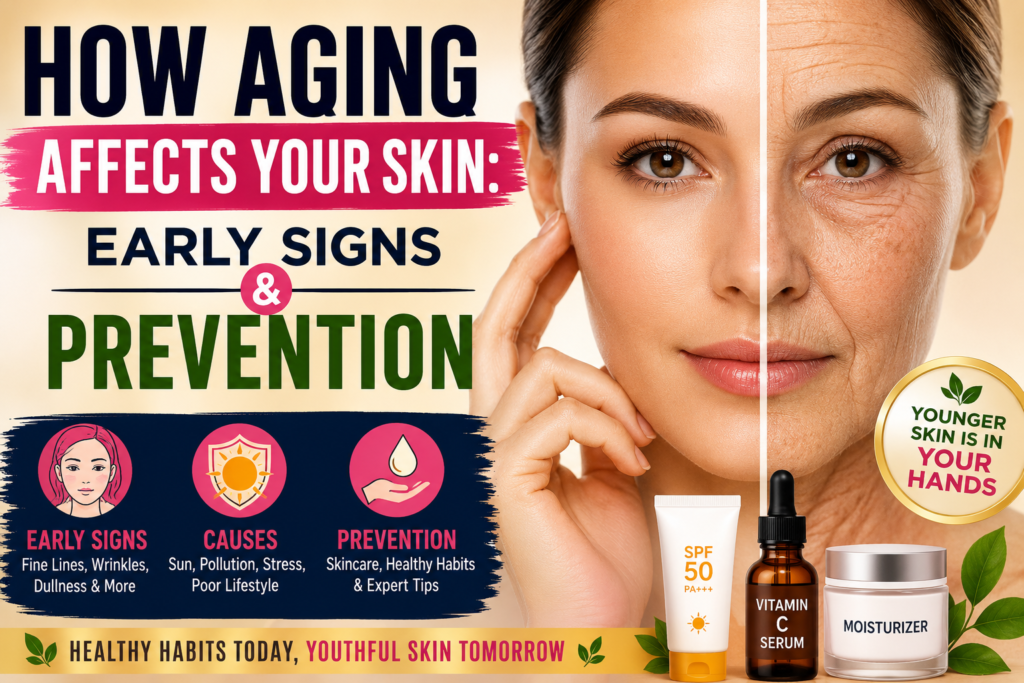
What Happens to Your Skin as You Age?
As you grow older, your skin gradually loses its ability to repair and regenerate itself. The production of essential proteins such as collagen and elastin decreases, causing the skin to become thinner, less elastic, and more prone to wrinkles. Cell turnover slows down, resulting in a dull complexion and uneven skin texture.
Additionally, the skin produces less natural oil, leading to dryness and increased sensitivity. Blood circulation also decreases, reducing the delivery of oxygen and nutrients to skin cells. These changes collectively contribute to the visible signs of aging.
Early Signs of Skin Aging
Recognizing the early signs of skin aging can help you take timely action and prevent further damage.
1. Fine Lines and Wrinkles
One of the earliest and most common signs of aging is the appearance of fine lines around the eyes, forehead, and mouth. Over time, these lines deepen into wrinkles due to repeated facial expressions and reduced collagen production.
2. Loss of Skin Elasticity
Young skin naturally springs back when stretched. As elastin fibers break down with age, the skin begins to sag, especially around the jawline, cheeks, and neck.
3. Dry and Rough Skin
Aging reduces the activity of sebaceous glands, resulting in less oil production. This causes the skin to become dry, flaky, and rough.
4. Uneven Skin Tone
Sun exposure and age-related pigmentation changes can lead to dark spots, age spots, and an uneven complexion. Hyperpigmentation is particularly common after the age of 40.
5. Enlarged Pores
As skin loses firmness, pores may appear larger and more noticeable, particularly on the nose and cheeks.
6. Dull Complexion
Slower cell turnover causes dead skin cells to accumulate on the surface, making the skin appear dull and tired.
7. Thinner Skin
The outer layer of the skin gradually becomes thinner with age, making it more fragile and susceptible to bruising and injury.
Major Causes of Premature Skin Aging
While natural aging is unavoidable, several external factors can accelerate the aging process.
Sun Exposure (Photoaging)
Ultraviolet (UV) rays are the leading cause of premature skin aging. Prolonged sun exposure damages collagen fibers and increases pigmentation, leading to wrinkles, sunspots, and loss of elasticity.
Smoking
Smoking reduces blood flow to the skin and exposes it to harmful toxins. It accelerates collagen breakdown and contributes to premature wrinkles.
Poor Diet
A diet high in sugar and processed foods can promote inflammation and glycation, a process that damages collagen and elastin.
Lack of Sleep
Insufficient sleep impairs skin repair mechanisms, leading to dullness, puffiness, and accelerated aging.
Stress
Chronic stress increases cortisol levels, which can weaken the skin barrier and contribute to collagen loss.
Pollution
Environmental pollutants generate free radicals that damage skin cells and accelerate the aging process.
How to Prevent Premature Skin Aging
Although aging cannot be stopped, adopting healthy skincare habits can significantly slow its visible effects.
Use Sunscreen Every Day
Daily sunscreen use is the most effective anti-aging strategy. Choose a broad-spectrum sunscreen with SPF 30 or higher and apply it every morning, even on cloudy days.
Follow a Consistent Skincare Routine
A proper skincare routine should include:
- Gentle cleanser
- Moisturizer
- Sunscreen
- Antioxidant serum (Vitamin C)
- Retinol or retinoid products (as recommended by a dermatologist)
These products help protect the skin and stimulate collagen production.
Stay Hydrated
Drinking adequate water helps maintain skin hydration and supports overall skin health.
Eat a Skin-Friendly Diet
Include foods rich in antioxidants, vitamins, and healthy fats such as:
- Fruits and vegetables
- Nuts and seeds
- Fatty fish
- Whole grains
Nutrients like Vitamin C, Vitamin E, Omega-3 fatty acids, and zinc support collagen production and skin repair.
Avoid Smoking and Excess Alcohol
Quitting smoking and limiting alcohol consumption can improve skin health and reduce premature aging.
Get Enough Sleep
Aim for 7–9 hours of quality sleep each night. During sleep, the skin repairs damaged cells and produces new collagen.
Manage Stress
Practicing yoga, meditation, exercise, and relaxation techniques can help reduce stress-related skin damage.
Exercise Regularly
Physical activity improves blood circulation, delivering oxygen and nutrients to skin cells and promoting a healthy glow.
Anti-Aging Ingredients That Actually Work
Several scientifically proven skincare ingredients can help combat signs of aging:
Retinol
Retinol promotes cell turnover and stimulates collagen production, helping reduce wrinkles and fine lines.
Vitamin C
This powerful antioxidant protects against free radical damage and helps brighten the skin.
Hyaluronic Acid
Hyaluronic acid attracts moisture and helps keep the skin hydrated and plump.
Niacinamide
Niacinamide improves skin barrier function, reduces pigmentation, and minimizes the appearance of pores.
Peptides
Peptides support collagen production and improve skin firmness.
When Should You See a Dermatologist?
If you notice sudden changes in your skin, persistent pigmentation, excessive dryness, or premature wrinkles, consulting a dermatologist can help identify the underlying cause and recommend personalized treatment options.
Professional anti-aging treatments such as chemical peels, laser therapy, microneedling, Botox, and dermal fillers may also help improve the appearance of aging skin when performed by qualified professionals.
Conclusion
Skin aging is a natural process, but many of its visible effects can be delayed with the right skincare routine and healthy lifestyle choices. Protecting your skin from sun damage, maintaining proper hydration, eating a balanced diet, and using scientifically backed anti-aging ingredients can help preserve youthful, healthy skin for years to come. The earlier you start caring for your skin, the better your chances of minimizing wrinkles, sagging, and other signs of aging.